
More than 92 million tonnes of textile waste are generated worldwide every year, making clothing disposal an increasingly important environmental issue. Research published by UN Environment Programme (UNEP) highlights that extending the life of garments and improving recycling practices can significantly reduce environmental impacts.
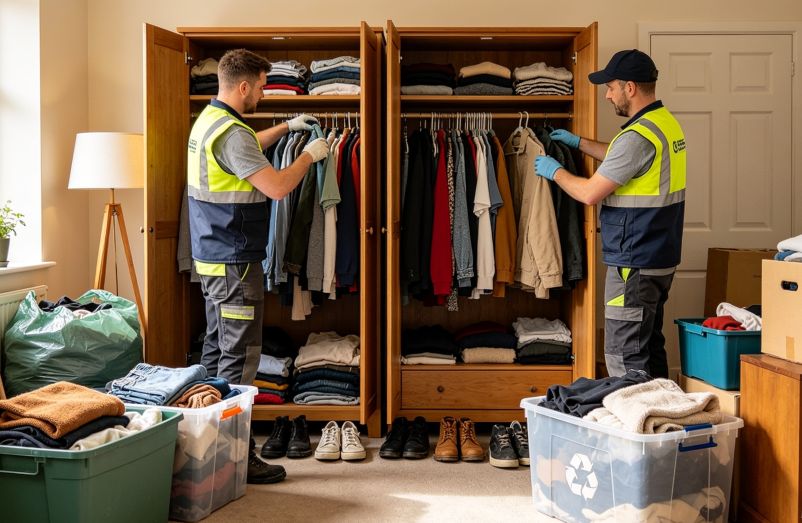
During professional home clearances, companies like Sofort Entrümpelung offering house clearance in Vienna (Hausentrümpelung Wien) often encounter wardrobes filled with clothing, shoes, accessories, and household textiles. The question is whether these items should be discarded or given another purpose. The answer usually depends on their condition, local recycling options, and opportunities for reuse.
Property clearance projects involve much more than removing unwanted furniture. Bedrooms, closets, attics, and storage rooms often contain years of accumulated fashion items. Some pieces remain perfectly wearable, while others are damaged beyond repair. This creates an ongoing discussion between convenience and sustainability. Clearing a property quickly may seem like the easiest solution, yet responsible handling of textiles can reduce waste and support a more circular economy.
The Challenge of Sorting Clothing During Property Clearances
Every wardrobe tells a different story. Some contain nearly new garments that have simply gone out of style, while others hold worn fabrics that cannot easily be reused. Accessories such as handbags, belts, hats, and scarves add another layer of complexity.
Experts note that sorting these items takes time because each category may require a different destination. Wearable clothing may be suitable for charitable organizations or second-hand retailers. Damaged fabrics might qualify for textile recycling. Items contaminated by mold, pests, or hazardous substances usually require proper disposal to protect public health.
This careful assessment helps reduce unnecessary landfill waste while ensuring that usable products remain part of the fashion lifecycle for as long as possible.
Arguments for Donation and Reuse
One perspective emphasizes that many garments still have practical value long after their original owners stop wearing them. Clothing donations help extend product life while supporting community organizations that distribute affordable or free clothing.
Data from European Environment Agency (EEA) shows that extending textile use lowers demand for new raw materials and reduces greenhouse gas emissions associated with manufacturing new clothing. Reuse also conserves water, energy, and other natural resources used throughout textile production.
Professional clearance teams frequently separate clean, wearable items into donation piles before removing damaged materials. This approach benefits both the environment and local communities by reducing waste while increasing access to affordable clothing.
The Reality Behind Textile Recycling
Another viewpoint recognizes that donation alone cannot solve the growing textile waste problem. Many garments reach the end of their usable life because fabrics have become worn, torn, stained, or structurally damaged.
Research from the European Commission explains that textile recycling converts old fabrics into insulation materials, industrial cleaning cloths, carpet underlays, and fibers for manufacturing new textile products. Although recycling technology continues to improve, mixed fibers and certain synthetic materials remain difficult to process efficiently.
This means property clearance professionals often evaluate textiles individually instead of treating every item the same way. Responsible recycling requires careful sorting before materials enter specialized processing facilities.
What About Large Wardrobes and Bedroom Furniture?
Wardrobes themselves present another environmental consideration. Large wooden cabinets, dressers, and storage units may appear unsuitable for reuse simply because they are bulky or outdated.
However, furniture in good structural condition may still have value through resale, donation, refurbishment, or material recovery. Solid wood components can sometimes be repaired or repurposed into new furniture or construction materials.
The European Commission Circular Economy Action Plan encourages extending the lifespan of products through repair, reuse, and material recovery whenever practical. Property clearance companies increasingly follow these principles by identifying reusable furniture before considering disposal options.
Balancing Efficiency with Sustainability
Critics sometimes argue that separating clothing, wardrobes, and household textiles adds time and labor to clearance projects. Large estates or heavily cluttered homes may contain thousands of individual items, making detailed sorting challenging.
This concern is valid because professional clearances often operate under tight schedules. Families preparing homes for sale, inheritance settlements, or renovations may prioritize speed.
Yet environmental considerations continue gaining importance. Many clearance providers now integrate sorting processes into their workflows, allowing reusable materials to be separated without significantly delaying the overall project. Advances in recycling infrastructure and partnerships with charitable organizations have also improved the efficiency of sustainable clearance practices.
The Growing Role of the Circular Fashion Economy
The fashion industry increasingly promotes a circular model where products remain in use longer through resale, repair, rental, refurbishment, and recycling. Property clearance services contribute to this model by serving as an important collection point for unwanted household textiles. Individuals interested in learning more about sustainable style practices can better understand how everyday wardrobe choices complement responsible disposal and recycling efforts, creating a more environmentally conscious approach to clothing consumption.
UNEP reports that longer garment use reduces pressure on natural resources while helping lower carbon emissions throughout the textile supply chain. Every donated jacket, recycled blanket, or refurbished wardrobe represents one less product entering the waste stream prematurely.
Consumers also play a role by organizing belongings before scheduled clearances. Separating sentimental items, wearable clothing, damaged textiles, and reusable furniture makes responsible handling much easier for clearance professionals.
Practical Tips Before Scheduling a Property Clearance
- Separate wearable clothing from damaged textiles.
- Place shoes, handbags, and accessories into their own categories.
- Identify furniture that remains structurally sound.
- Remove personal documents from wardrobes and storage boxes.
- Ask whether the clearance provider supports donation or recycling programs.
- Keep valuable vintage clothing or designer items aside for appraisal if appropriate.
Conclusion
The handling of unwanted clothing and wardrobes during professional property clearances reflects a broader conversation about environmental responsibility and resource management. One perspective values fast removal and convenience, while another emphasizes reuse, recycling, and extending the lifespan of everyday products. Both priorities have practical merit, yet growing evidence suggests that thoughtful sorting and responsible material recovery offer long-term environmental benefits.
As textile waste continues to increase globally, professional clearance services have become an important link between households, donation organizations, recycling facilities, and responsible waste management systems. Whether dealing with clothing, wardrobes, shoes, or household textiles, sustainable property clearance practices help reduce landfill waste while supporting a more circular and environmentally conscious fashion economy.