
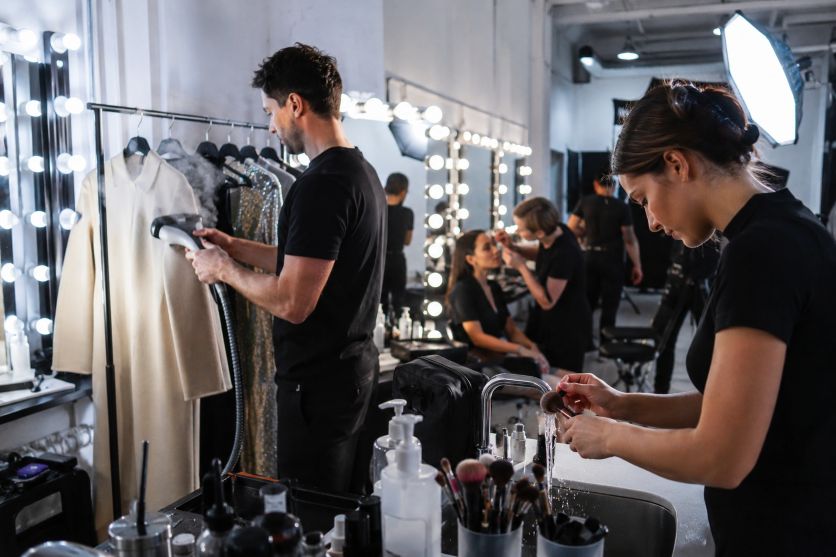
Water touches nearly every stage of a fashion or beauty shoot. Steamers rely on it to smooth garments before photos are taken. Makeup artists use it to clean brushes and prep skin. Stylists rinse fabrics, wash accessories, and manage quick wardrobe touch-ups between scenes. Production crews often focus on lighting, lenses, and editing software, yet the quality of the water used during preparation can quietly shape the final visual result.
Fashion professionals working in cities where stored water systems are common have become increasingly aware of this issue. Discussions around water storage maintenance, including services connected to Water Tank Washing in Jeddah, reflect how production environments depend on stable water quality standards behind the scenes. Research from World Health Organization (WHO) notes that poorly maintained water storage systems may contribute to discoloration, sediment buildup, and microbial contamination that affect both household and commercial activities.
Why Water Matters More Than Many Studios Realize
Fashion photography is built around precision. A small wrinkle on fabric, uneven makeup texture, or mineral stain on glass jewelry can become highly visible under studio lighting and high-resolution cameras. Modern digital photography captures extreme detail, which means preparation mistakes are harder to hide during post-production.
Clean water helps stylists maintain fabric texture and color consistency. Hair and makeup teams rely on it to preserve hygiene standards and achieve smooth application. Even backstage garment steaming can be affected by water quality. Mineral-heavy water may leave faint residue inside steamers, eventually creating white marks on delicate clothing.
Data from the United States Geological Survey (USGS) explains that hard water contains elevated concentrations of dissolved minerals such as calcium and magnesium. Those minerals are harmless in many everyday situations, but repeated exposure can leave deposits on surfaces, fabrics, mirrors, and equipment.
Comparing Clean Water and Tank-Contaminated Water During Production
Scenario One: Production Using Clean Water
A professional studio with filtered or properly maintained water systems usually experiences fewer preparation problems. Steam from garment tools appears cleaner. White fabrics maintain their brightness. Makeup brushes rinse thoroughly without residue remaining in the bristles.
Hair stylists also benefit from cleaner water conditions. Research published by The International Journal of Cosmetic Science has discussed how mineral-heavy water may influence hair texture and manageability. Cleaner water often helps products rinse more evenly, reducing dullness or buildup that can become noticeable under strong lighting.
Photographers may not immediately recognize the connection between water quality and editing efficiency, but clean preparation conditions can reduce retouching time. Fewer stains, fewer fabric inconsistencies, and fewer skin texture corrections mean smoother workflow during post-production.
Scenario Two: Production Using Poorly Maintained Tank Water
Studios or home-based shoots using poorly maintained tank water can encounter subtle visual issues that gradually affect production quality. Mineral sediment may appear on dark clothing after steaming. Makeup tools rinsed in contaminated water may dry unevenly or retain residue. White towels and garments sometimes develop yellowish staining after repeated washing.
Experts from Centers for Disease Control and Prevention (CDC) note that improperly maintained water systems may allow bacteria and sediment to accumulate over time. While severe contamination is primarily a health concern, smaller quality issues can also affect visual presentation and hygiene practices in beauty environments.
Skin preparation becomes especially sensitive under these conditions. Beauty photography often involves close-up facial shots with detailed skin visibility. Water containing excess minerals or impurities may contribute to dryness, uneven cleansing, or dull appearance. Under professional lighting, even minor inconsistencies in skin texture become easier to detect.
Wardrobe departments may face additional challenges when rinsing fabrics or cleaning accessories. Light-colored textiles are especially vulnerable to discoloration from rusty or sediment-heavy water. Metallic accessories can also lose shine more quickly when exposed to untreated moisture.
How Cameras Amplify Minor Imperfections
Modern commercial photography equipment captures details at extremely high resolution. Editorial fashion campaigns, cosmetic advertisements, and beauty tutorials frequently use cameras capable of exposing texture invisible to the naked eye.
That level of clarity changes how production teams approach preparation. A mineral streak left on glass packaging or a faint residue on silk fabric may appear insignificant during setup. Under macro photography and bright lighting, those flaws become highly visible.
Research from Adobe and professional photography education platforms consistently shows that high-resolution editing workflows increase the visibility of surface inconsistencies. Retouching teams can correct many flaws digitally, but excessive editing adds time and cost to production schedules.
Water quality therefore becomes part of broader production efficiency. Cleaner preparation conditions reduce avoidable corrections later in the editing process.
Home Studios Face Similar Challenges
Large commercial studios are not the only environments affected by water quality. Home-based content creators, freelance makeup artists, and small fashion brands often work in residential settings where water tanks are heavily relied upon.
Social media has expanded the number of creators producing beauty and fashion content from apartments, private homes, and small rented spaces. Those environments may lack advanced filtration systems found in larger production facilities.
Beauty influencers frequently steam clothing, wash brushes, and prepare skincare products in compact studio spaces. If residential water tanks are not cleaned regularly, residue and sediment may quietly interfere with production quality over time.
Research from UNICEF highlights the importance of safe and properly maintained water storage systems in urban environments where stored water is commonly used. While discussions often focus on public health, the same principles apply to industries dependent on visual cleanliness and presentation standards.
The Role of Water Maintenance in Production Standards
Fashion and beauty production relies on consistency. Brands invest heavily in lighting, styling, editing, and set design because small details influence audience perception. Water maintenance fits quietly into that same ecosystem.
Regular tank cleaning, filtration checks, and equipment maintenance help reduce avoidable production problems. In regions where climate conditions increase dependence on stored water systems, maintaining water quality becomes part of operational reliability for both homes and commercial spaces.
Production managers may never advertise water maintenance as part of a creative workflow, yet the effects are visible in final results. Cleaner fabrics photograph better. Makeup tools remain more hygienic. Steam equipment functions more efficiently. Skin preparation appears smoother on camera.
Those details rarely receive public attention because viewers focus on the final image rather than the preparation process behind it. Still, industry professionals understand that polished visual output depends on many invisible systems working properly together.
READ ALSO: The Best Company for Cleaning Water Tank and the Best in Fashion are Worlds that are actually Alike
Conclusion
Fashion and beauty photography often celebrates lighting, styling, and creative direction, yet water quietly supports many of the technical steps that shape the finished image. Clean water helps maintain fabric quality, improve hygiene practices, and reduce visual inconsistencies that cameras can easily magnify.
The contrast between properly maintained water systems and contaminated storage conditions becomes especially noticeable during high-detail production work. Mineral residue, discoloration, and sediment may seem minor at first, but those factors can affect garments, skin appearance, makeup tools, and editing efficiency.
Cities that depend heavily on stored water systems continue to recognize the practical importance of tank maintenance for everyday living and professional environments alike. Whether in a commercial studio or a home-based beauty setup, maintaining cleaner water conditions supports smoother workflows and more reliable visual presentation standards.